| Name | SKU | Price | Description | Buy |
|---|
-
Cat
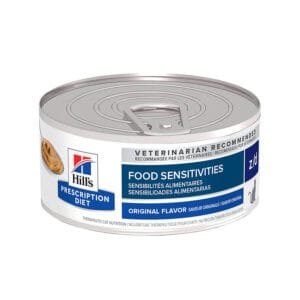
Hill’s Prescription Diet Z/D Skin/Food Sensitivities Wet Cat Food 156g
0 out of 5$15.00Original price was: $15.00.$12.00Current price is: $12.00. -
-
-

-
-
-
Bird
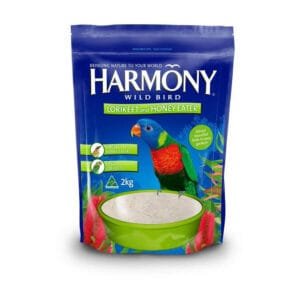
Harmony Lorikeet & Honeyeater Mix
$10.00 – $48.00Price range: $10.00 through $48.000 out of 5Select options This product has multiple variants. The options may be chosen on the product pageQuick View -
Bird
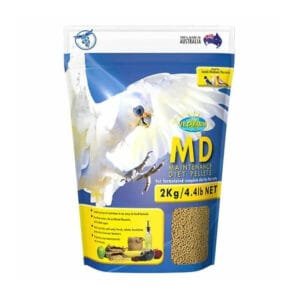
Vetafarm Diet Pellets
$10.00 – $45.00Price range: $10.00 through $45.000 out of 5Select options This product has multiple variants. The options may be chosen on the product pageQuick View -
-
-
-
-
-
Dog
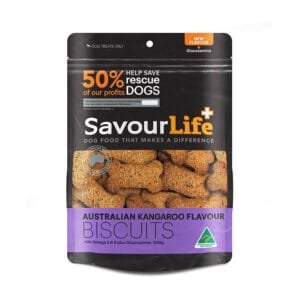
SavourLife Australian Kangaroo Biscuits Dog Treats
0 out of 5$50.00Original price was: $50.00.$40.00Current price is: $40.00. -
Dog
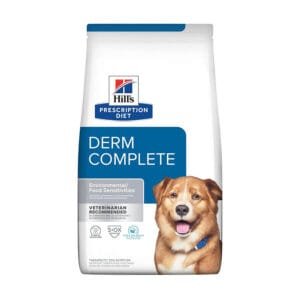
Hill’s Prescription Diet Derm Complete Environmental & Food Sensitivities Dry Dog Food
$12.00 – $60.00Price range: $12.00 through $60.000 out of 5Select options This product has multiple variants. The options may be chosen on the product pageQuick View -
Dog
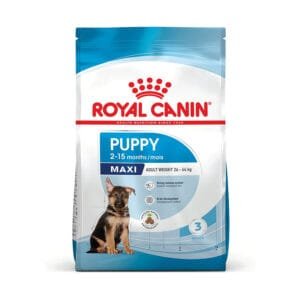
Royal Canin Maxi Large Breed Puppy Chicken Dry Dog Food
$6.00 – $30.00Price range: $6.00 through $30.000 out of 5Select options This product has multiple variants. The options may be chosen on the product pageQuick View
Guide to Cat Nutrition
Cats are obligate carnivores. They evolved to eat small prey, which means their bodies are built to extract nutrients from animal tissue rather than from plants. That single fact explains most of the advice in this guide, and most of the mistakes owners make when choosing food.
What to look for on the label
Read the guaranteed analysis and the ingredient list together. Protein should come from named animal sources — chicken, salmon, turkey, beef — not from vague categories. Look at fat content next, then the fibre figure. Taurine, an amino acid cats cannot synthesise in sufficient quantity, must appear on the label of any complete food; a deficiency causes blindness and heart disease.
Wet food, dry food, or both?
Dry food is convenient and cost-effective. Wet food delivers far more water, which matters because cats have a naturally low thirst drive and chronically mild dehydration is a real risk for urinary and kidney problems. Many owners settle on a mixed routine: wet food twice a day with a measured portion of dry food available, so the cat takes water on with every meal.
How much should you feed?
Start with the manufacturer’s guideline for your cat’s current weight, then adjust using body condition rather than the scale. You should be able to feel the ribs under a thin layer of fat and see a visible waist from above. Feed to that condition, weigh your cat monthly, and change the portion by small increments rather than large swings.
Switching food without upsetting the stomach
Transition over seven to ten days. Begin with about a quarter of the new food mixed into the old, and increase the proportion every few days. If the litter tray tells you it is going badly, slow the schedule rather than stopping. Cats are also neophobic — suspicious of anything new — so offer a new food when your cat is hungry, in a familiar bowl, in a quiet spot.
Treats and hydration
Treats should stay a small part of the daily calorie intake, and dental treats are worth their place in the routine. Hydration is the easiest win: water fountains encourage drinking, and adding a spoon of warm water to wet food costs nothing. Our cat category covers complete foods, treats and care products, and our team is happy to advise on a formula for a specific life stage or condition.
Need help choosing?
WLTX PET manufactures and supplies pet toys and pet supplies from Dongguan, China. Email [email protected] or message us on WhatsApp at +86 135 3866 1001 and we will recommend the right product for your pet — or the right range for your store.